Alaska: Planning a Cruise That Rewards Slower Pacing
An Alaska cruise is paced differently from a Caribbean or Mediterranean sailing. The scenery is the destination: glaciers, wildlife, and long stretches of coastline are best taken in slowly, and the itinerary is built around that. Planning well means choosing the route and timing that match the pace you want.
Why Alaska rewards a different pace
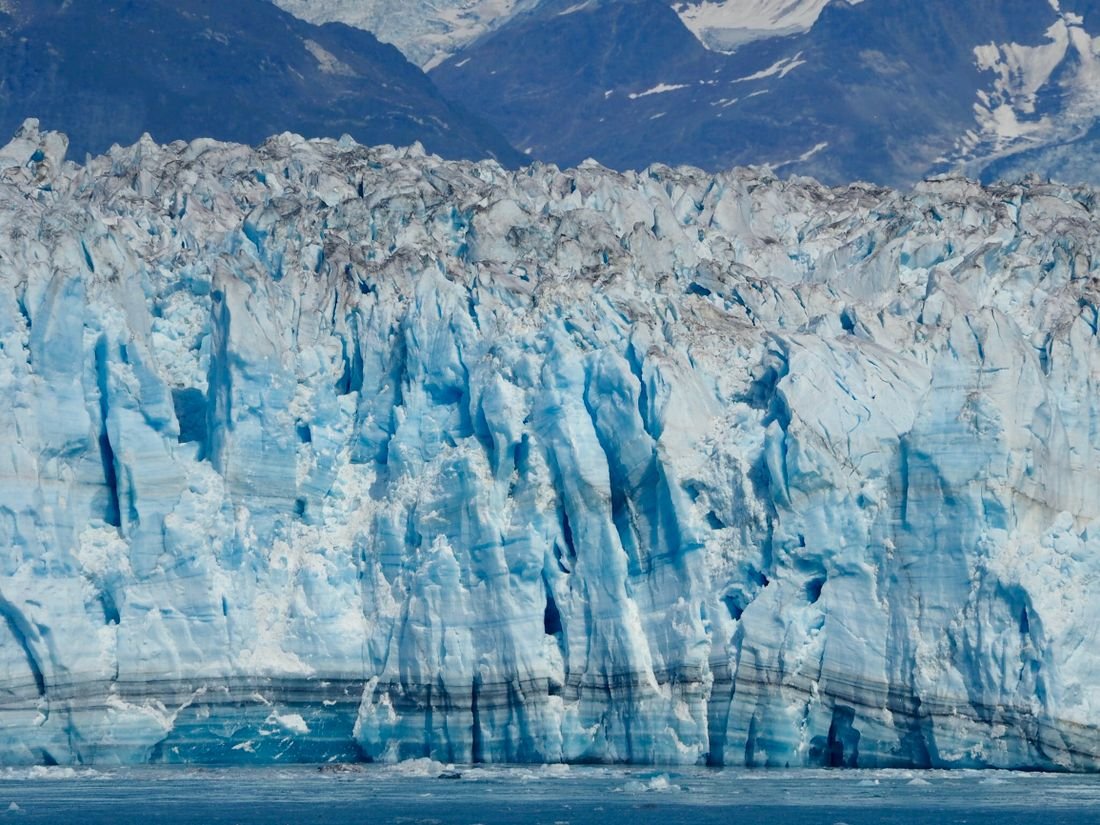
Much of the experience happens from the ship or on the water rather than in port. Time near glaciers and along the coast is the point of the trip, not a gap between stops, and shore days tend to be built around one outing rather than a full day of sightseeing. An itinerary that tries to do too much loses what makes the region worth the trip.
Inside Passage and the Gulf of Alaska
Two routing patterns shape most Alaska sailings. Inside Passage itineraries typically sail round trip from Seattle or Vancouver and stay largely in sheltered coastal waters. Gulf of Alaska itineraries typically run one way between Vancouver and a port near Anchorage, such as Whittier or Seward, covering more distance and reaching different glacier regions. That usually means flying into one city and out of another. The choice changes how the days feel, which ports are visited, and the logistics around the cruise.
Land-plus-cruise extensions
Many travelers extend an Alaska cruise with several days on land, often inland to places such as Denali National Park. An extension can deepen the trip, but it is a planning-intensive addition: transportation, lodging, and timing all have to line up with the cruise. It is worth deciding early whether an extension is part of the plan.
Shoulder season considerations
Alaska's cruise season runs from roughly late spring to early fall. The early and late edges of the season can mean fewer crowds and different pricing, and they can also mean cooler weather, different daylight, and fewer tours and services in operation. It is a trade, and worth weighing against what matters most to the traveler.