
Hawaii to Rome by Sea: How a Transatlantic Crossing Comes Together
Some trips can't be assembled from a booking engine. This one starts in Honolulu, crosses the Atlantic by ship, and ends with five nights on the Italian coast. The pieces don't naturally connect, which is why the planning matters.
Here's how the structure actually works.
This is an example itinerary. Sailings, cabins, hotels, and flights vary at the time of booking.
The Shape of the Trip
Days 1-2
Honolulu to Newark
A positioning flight, not a vacation day. Roughly eleven hours in the air plus a six-hour time change, arriving the day before the ship sails.
Night 2
Newark overnight
This is the most important night of the trip, and the one most easily cut. Flying from Hawaii to a same-day embarkation leaves no recovery room. A delayed flight out of HNL isn't a simple rebooking. It can mean the ship sails without you, and cruise fare is generally not refunded for a missed departure. The overnight turns a risk that can't be undone into an inconvenience that can.

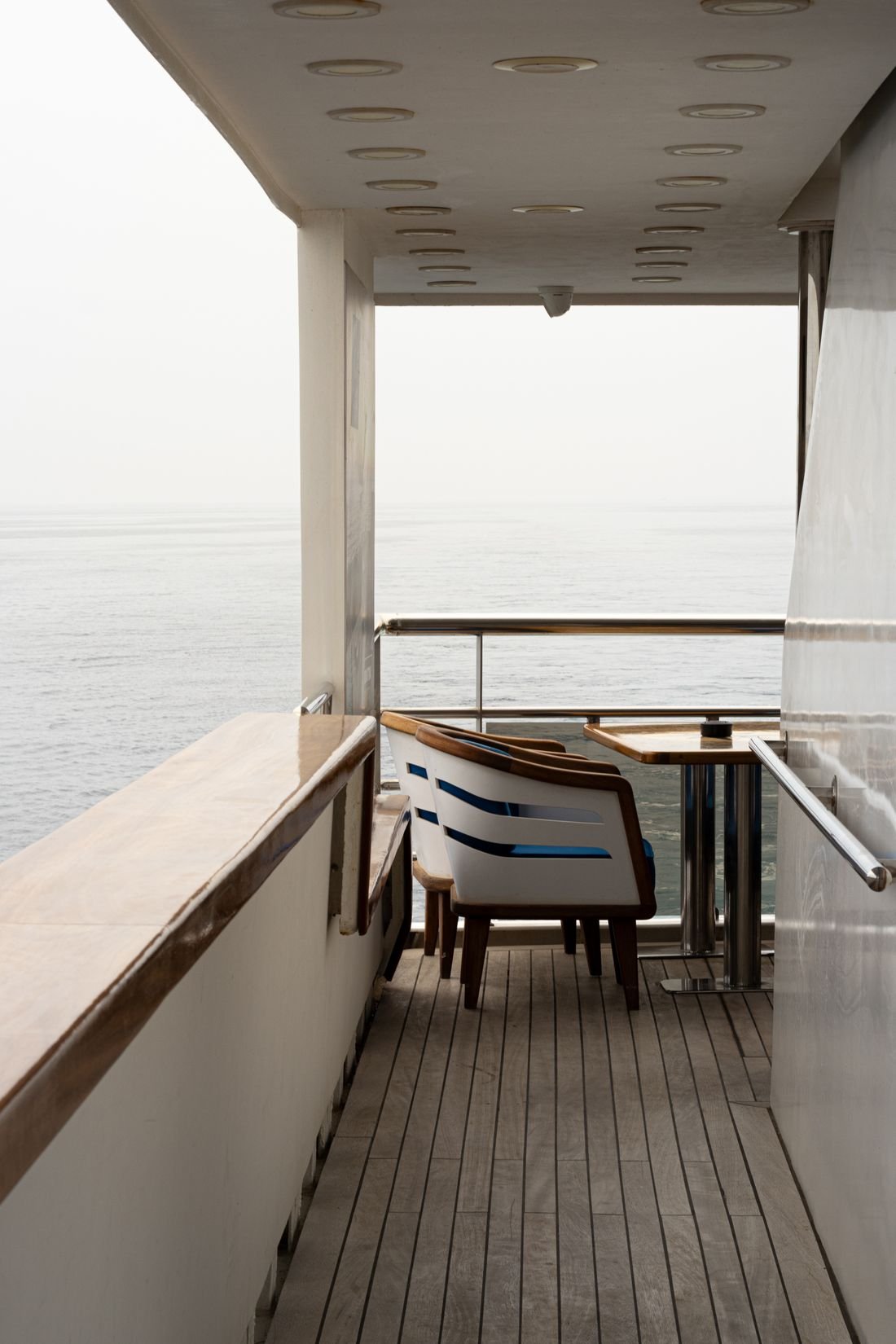
Days 3-14
Transatlantic crossing
An eastbound repositioning sailing. Consecutive sea days, gradual time adjustment across the crossing rather than one hard reset, and per-night value that typically runs below comparable port-intensive itineraries.
Days 14-19
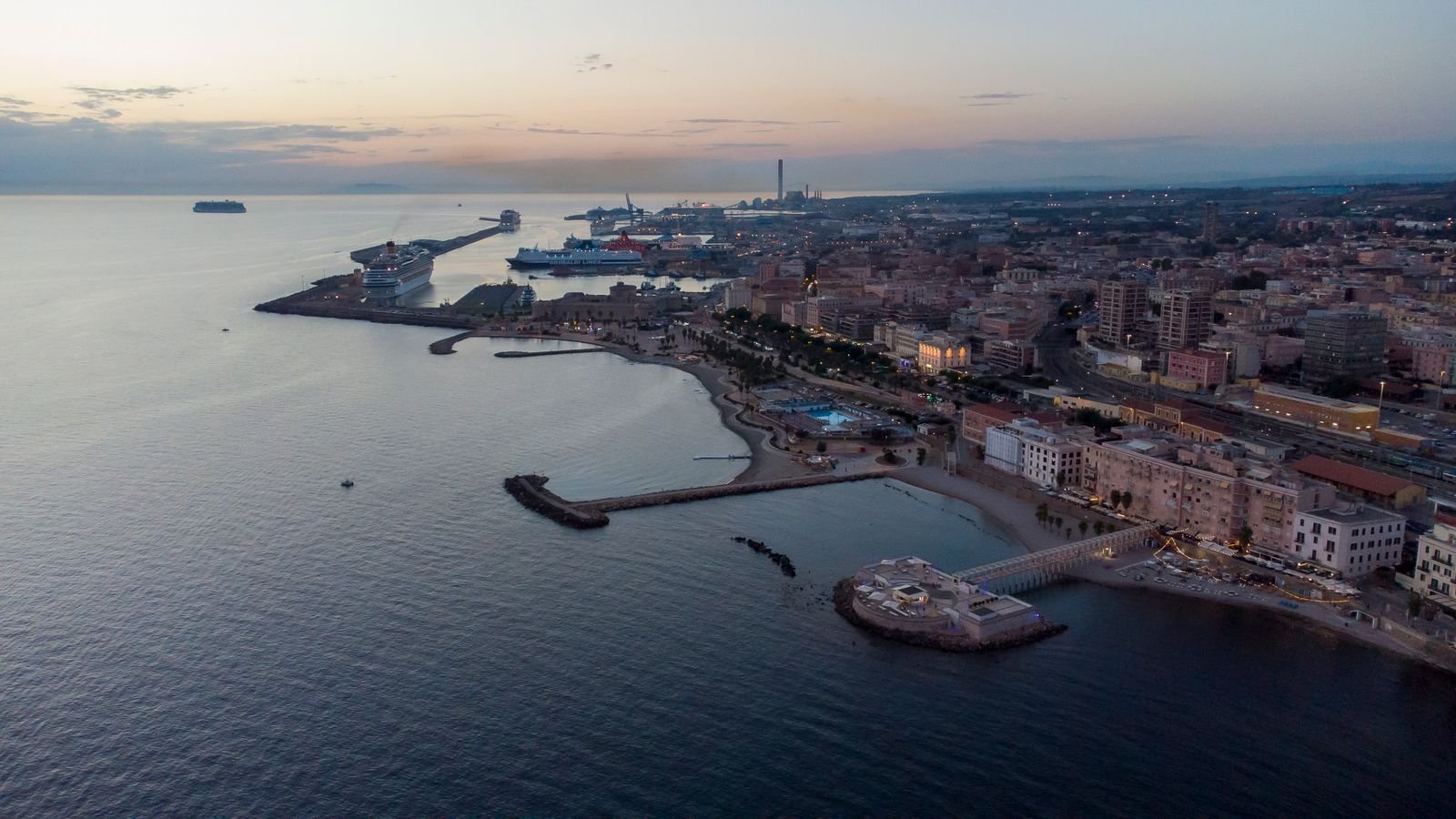
Five nights in Civitavecchia
The ship docks in Civitavecchia, not Rome. Rather than transfer 90 minutes inland after nearly two weeks at sea, this itinerary stays at the port and treats Rome as a day trip by train. Quieter, more affordable, and a reasonable trade if the traveler wants decompression more than proximity. Staying in Rome itself is the other valid choice, and it's a genuine fork worth deciding deliberately rather than by default.
Day 19
Rome to Honolulu
Departing FCO, not returning to Newark. The air is built open-jaw, meaning you fly into one city and home from another with the gap covered by the ship. Direct booking tools often handle this poorly or price it unfavorably.

What Makes This Plan Work
Three decisions carry most of the weight: the buffer night before embarkation, the open-jaw air, and choosing the coast over the city for the land portion. None of them are visible when you're comparing cruise fares.
Investment Range
| Open-jaw air, HNL/EWR and FCO/HNL | $2,500 |
|---|---|
| Pre-cruise hotel, Newark | $150 - $300 |
| Transatlantic crossing, interior stateroom | ~$2,200* |
| Civitavecchia lodging, five nights, four-star hotel near the port | $580 - $755 |
| Transfers | $600 |
| Travel protection | $400 |
| Approximate total for two travelers | $6,430 - $6,755 |
Roughly $3,215 to $3,380 per traveler.
*Prices are based on a Royal Caribbean 2027 transatlantic itinerary and are shown as an example of how a package like this is priced. Cruise fare is shown as the total for the stateroom rather than the per-person rate suppliers typically advertise. Pricing reflects the range at the time of planning, is subject to change based on supplier availability and rates, and is not guaranteed until confirmed with a deposit. Prices and availability vary at the time of booking.
We don't require that every component route through us, and we're glad to build around decisions clients have already made.
We also monitor pricing after booking and pursue reductions when they become available, including after deposit has been placed.
If a Crossing Is on Your Mind
The planning starts well before the sailing gets chosen. We're glad to walk through what it would involve.
Schedule a Consultation